
he petition appeared online at 2:17 a.m., less than three hours after the final whistle. By sunrise, it had 12,000 signatures. By noon, 87,000. The demand was blunt: a rematch. No hedging, no diplomatic language—just a raw, collective refusal to accept the result of Saturday night's title fight, which ended in a split decision that even neutral observers called questionable. I've covered combat sports for eleven years。and I've seen bad calls before. This one felt different. The fans weren't just angry;they were organized.The fight itself was a tactical, grinding affair. Round after round, the champion pressed forward。
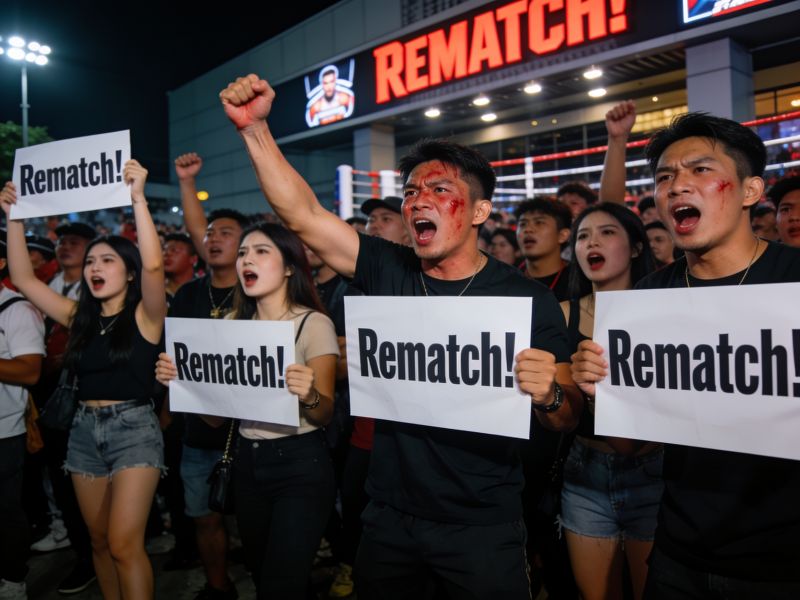
landing clean combinations to the body. The challenger, a heavy underdog, relied on counterpunching and footwork, and by the fifth round, he had opened a cut above the champion's left eye. Two judges scored the bout 48-47 for the champion. The third scored it 49-46 for the challenger. The discrepancy wasn't just wide—it was bizarre. CompuBox numbers later showed the challenger out-landing the champion in four of five rounds. That data became the petition's centerpiece. Fans petition for a rematch, the document read, because the scorecards contradicted the fight's visible reality. It wasn't a plea for sympathy. It was a demand for accountability.What struck me most was the demographic behind the petition. These weren't casual viewers tweeting in anger. The signatories included longtime season-ticket holders, amateur boxers, and even a retired referee from Nevada who told a local podcast, "I've scored fights for thirty years. That 49-46 card is indefensible." The petition gained traction because it fused raw emotion with cold statistical evidence. Fans petition for a rematch not out of fanaticism but out of a desire to protect the sport's integrity. One organizer。a 34-year-old software engineer from Manchester, told me he'd never started a petition before. "I just couldn't sleep," he said. "Somebody had to do something."The athletic commission has remained silent, which is standard procedure. But silence fuels speculation. Promoters, sensing a financial opportunity, have already floated the idea of an immediate sequel—though they've framed it as "giving the fans what they want" rather than admitting the first fight's outcome was tainted. That cynicism is exactly why the petition matters. Fans petition for a rematch to force transparency, not to line a promoter's pockets. The challenger's camp has stayed diplomatic, but his trainer was caught on camera muttering。"We got robbed," as he left the ring. Sometimes the most honest words are the ones not meant for microphones.Will it work?History says probably not. Commissions rarely overturn decisions。
and rematches are usually driven by money, not morality. But this petition has already achieved something rarer: it has forced a public conversation about judging standards, about accountability, and about whether fans—the people who pay the bills—deserve a voice when the scorecards go sideways. I don't know if we'll see a second fight. I do know that 87,000 signatures in nine hours is not a fringe reaction. It's a signal. And the sport would be foolish to ignore it.